
Will we all drive electric or hydrogen cars?
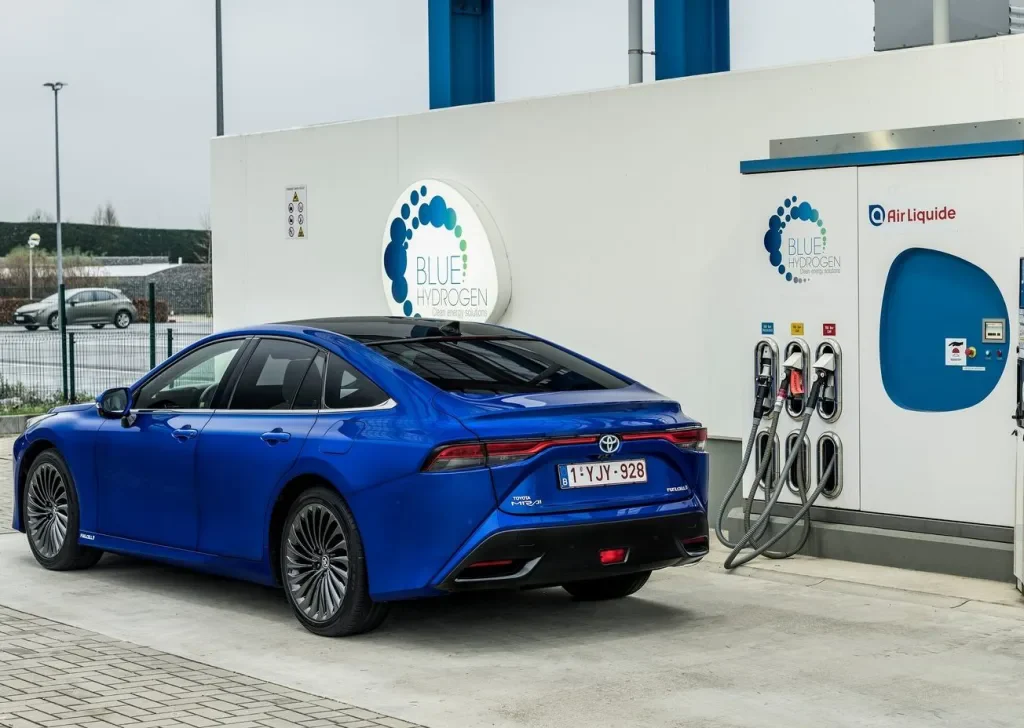
A plug-in car can be charged almost anywhere in the Netherlands. That does not mean everyone can switch to one. The main obstacle is the composition of today's batteries and the increasingly scarce raw materials needed to make them. Hydrogen passenger cars offer a viable potential alternative, but their adoption is held back by a lack of infrastructure. Low uptake makes hydrogen technology very expensive.
For long-distance and heavy transport, the number of heavy batteries required for a battery-electric vehicle can become practically unfeasible, for example in lorries, buses and ships. Hydrogen offers potential here too: hydrogen tanks are many times lighter and can be refilled within minutes. This means longer distances without refuelling or charging and less loss of cargo space.
Hydrogen therefore appears well suited to long-distance transport and vehicles in continuous service, such as a city bus operating day and night or an ambulance that must be ready at any time. These cannot be unavailable because they are still charging.
As hydrogen adoption in long-distance transport grows, the infrastructure will grow with it. The technology will also gradually become cheaper. Using a hydrogen passenger car then becomes increasingly logical, especially for people who frequently travel long distances.
The question is therefore not which technology is better or which will win. It is which technology to use where, when and for what purpose. As both powertrains develop, we will encounter both in more places, including passenger cars.
Source: Business Insider
All articles