September 2026
Parking standards call for a tailored approach
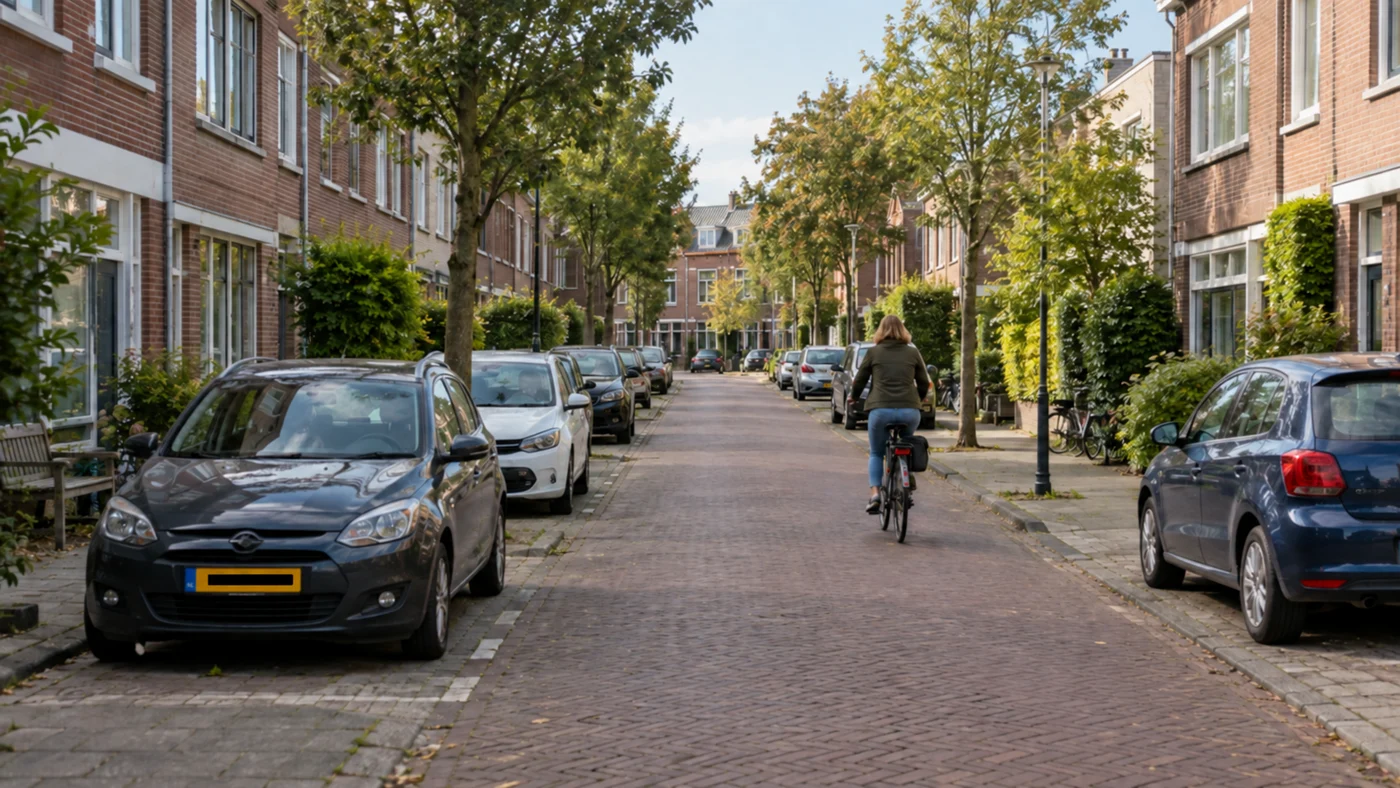
Lower parking standards can create space for housing, greenery and water storage. But determining how many parking spaces a development actually needs calls for a tailored approach.

Our perspective on developments in parking, mobility and traffic.
Lower parking standards can create space for housing, greenery and water storage. But determining how many parking spaces a development actually needs calls for a tailored approach.
Almost a quarter of motorists experience financial pressure because of high fuel prices. For many households, a car is essential, while alternatives are not always available, practical or affordable. Affordability therefore deserves a permanent place in mobility policy.
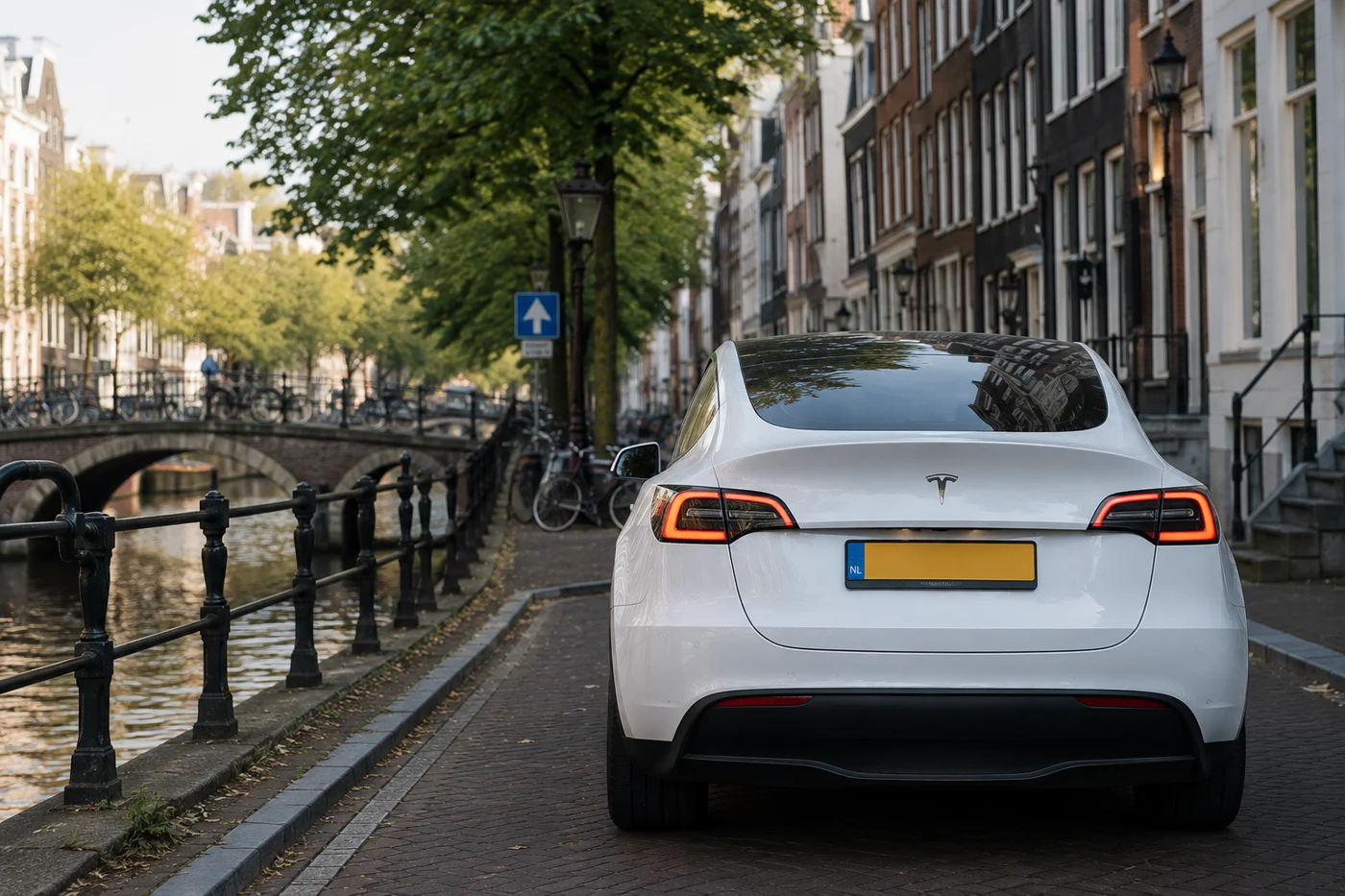
The introduction of Full Self-Driving in the MyWheels shared car fleet provides an opportunity to take a broader look at autonomous driving in the Netherlands. What could this development eventually mean for parking, mobility, traffic flows and the design of cities and regions?
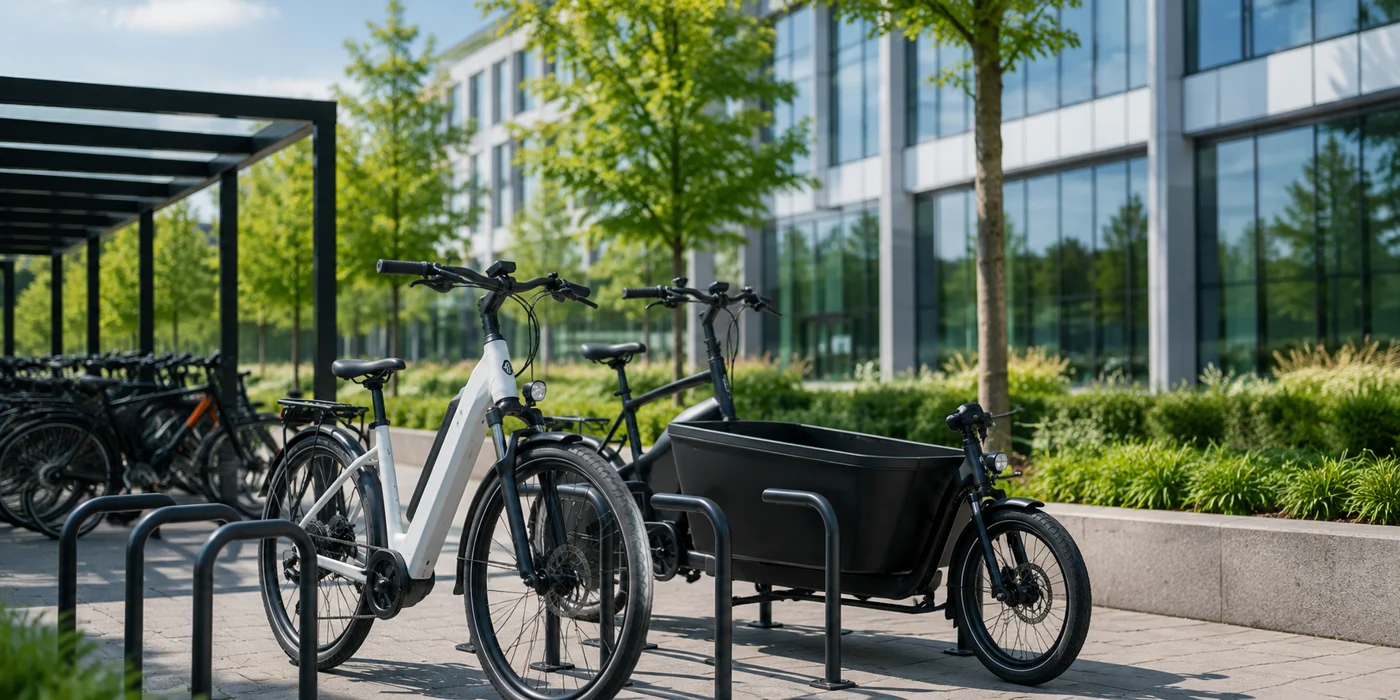
The Dutch Tax Administration has confirmed that the 7% taxable benefit can also apply to a second company bicycle. This is a practical clarification for employers operating cycle schemes and considering the role of cycling in their mobility policy.
Electric cars are increasingly being viewed as temporary energy storage. Bidirectional charging allows vehicles to draw electricity and feed it back to a home or the grid. This makes the development relevant to grid congestion, charging infrastructure and future development projects.
Electric cars help lower emissions and improve air quality, but do not automatically reduce car use. CPB and PBL research shows that households actually drive more after switching to an electric car, particularly outside peak hours and at weekends.
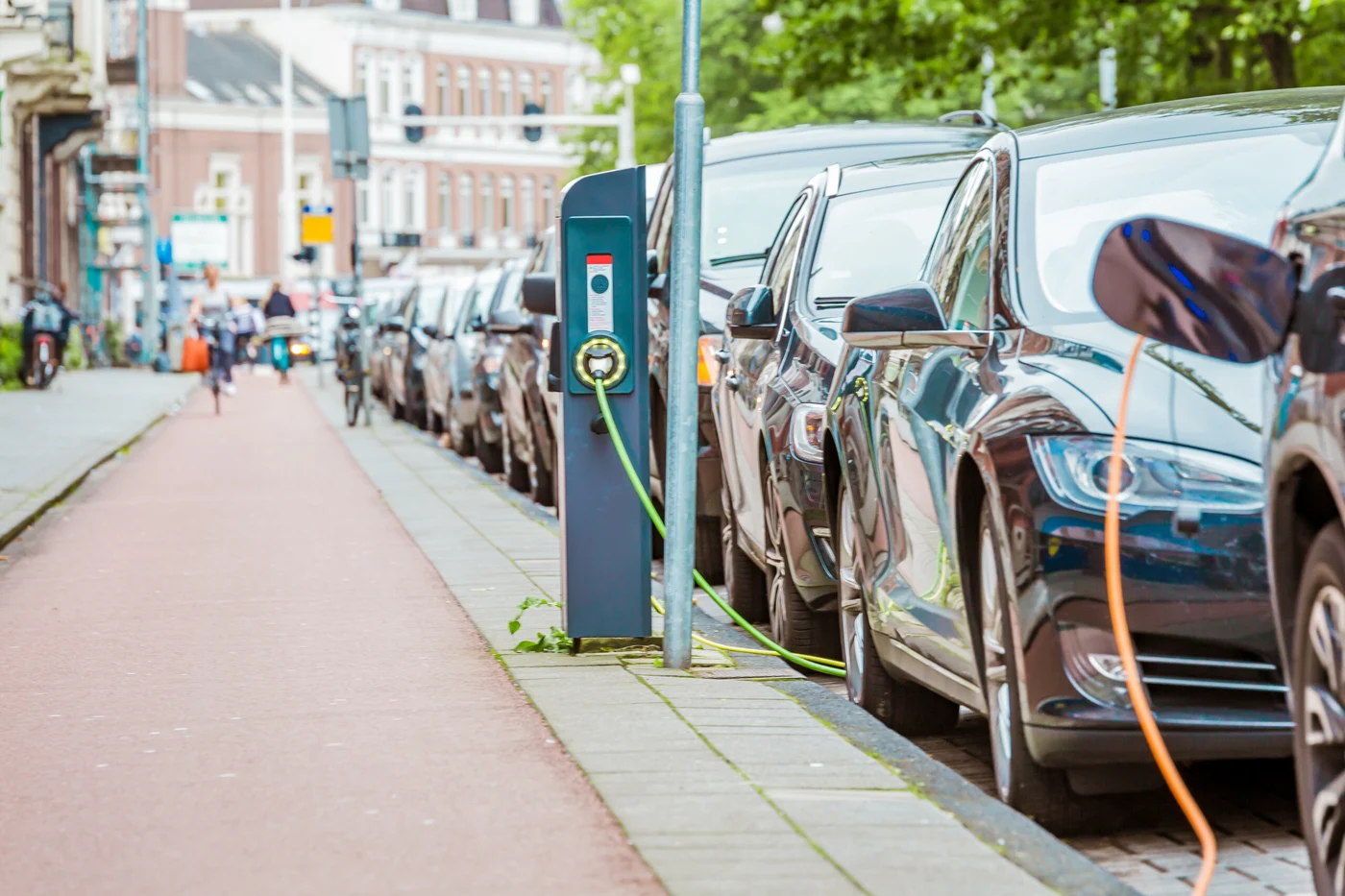
Public charging tariffs vary considerably, even within the same municipality. Research by Independer shows that the cost of a full battery can differ by tens of euros depending on the location and operator. Charging in car parks is also more expensive on average than charging on the street.
In October 2025, the Netherlands Institute for Transport Policy Analysis (KiM) published the briefing How do residents of the Netherlands view mobility and accessibility?
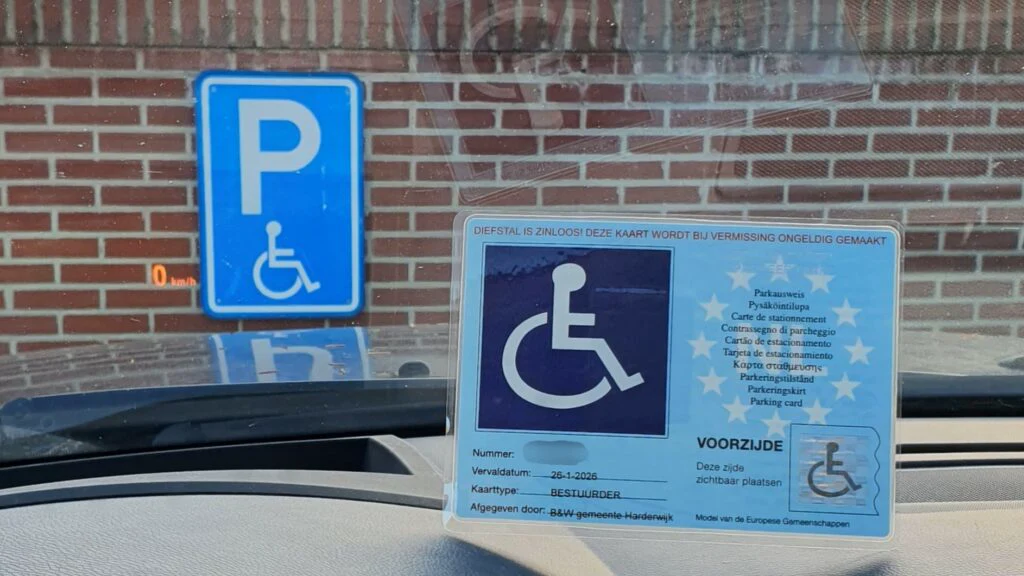
The Gelderland District Court ruled that one accessible parking space may be linked to several number plates. This is a relevant ruling as space, accessibility and parking pressure increasingly intersect in design practice.
In July 2025, CROW published the paper Parking standards and sustainable development, calling for the use of current parking demand figures from 2024. In this article, we explain why this matters and how municipalities and developers can use them to make decisions that remain effective in the future.
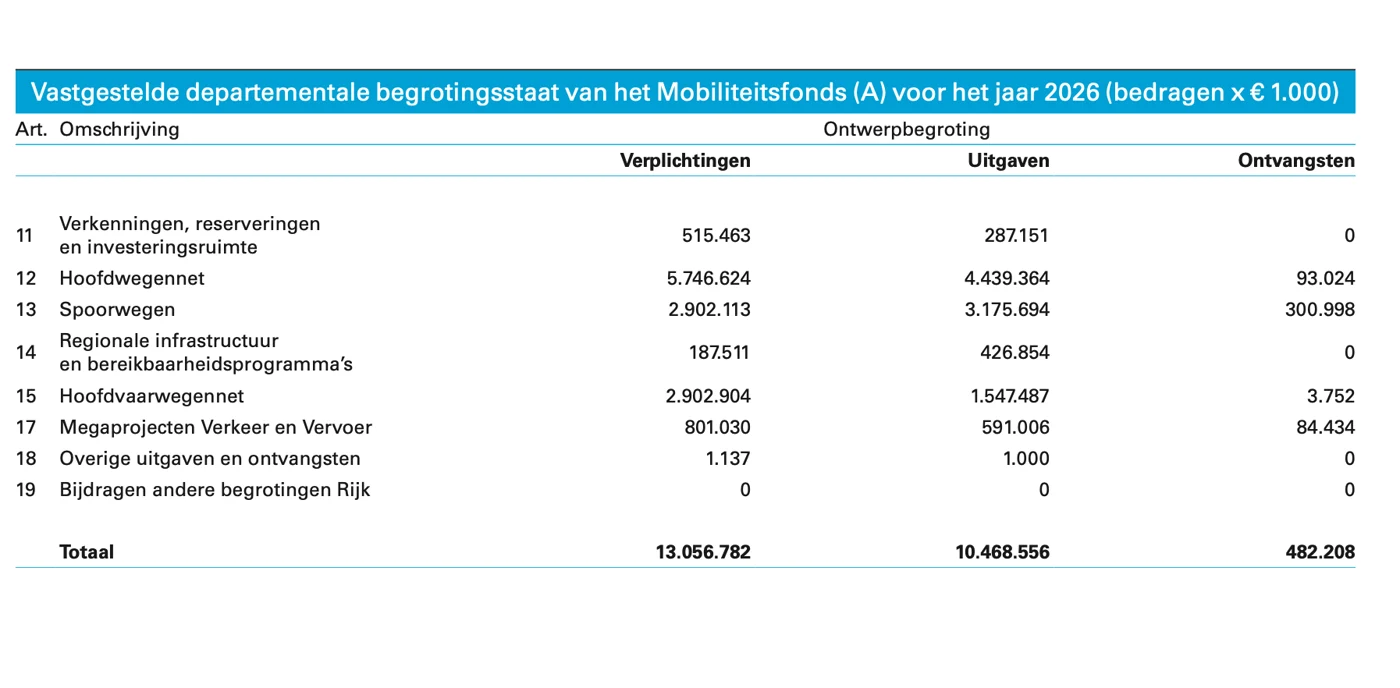
The budgets for 2026 were presented on Prinsjesdag 2025. This article explains the plans for mobility, infrastructure and public transport.
In July 2025, Helsinki reported twelve months without a road death. This exceptional result follows decades of consistent policy, including lower speeds, adapted infrastructure and a strong focus on cycling and public transport. At the same time, the experience shows that zero road deaths is achievable, but neither automatic nor permanent.