Choosing another charging point could save tens of euros
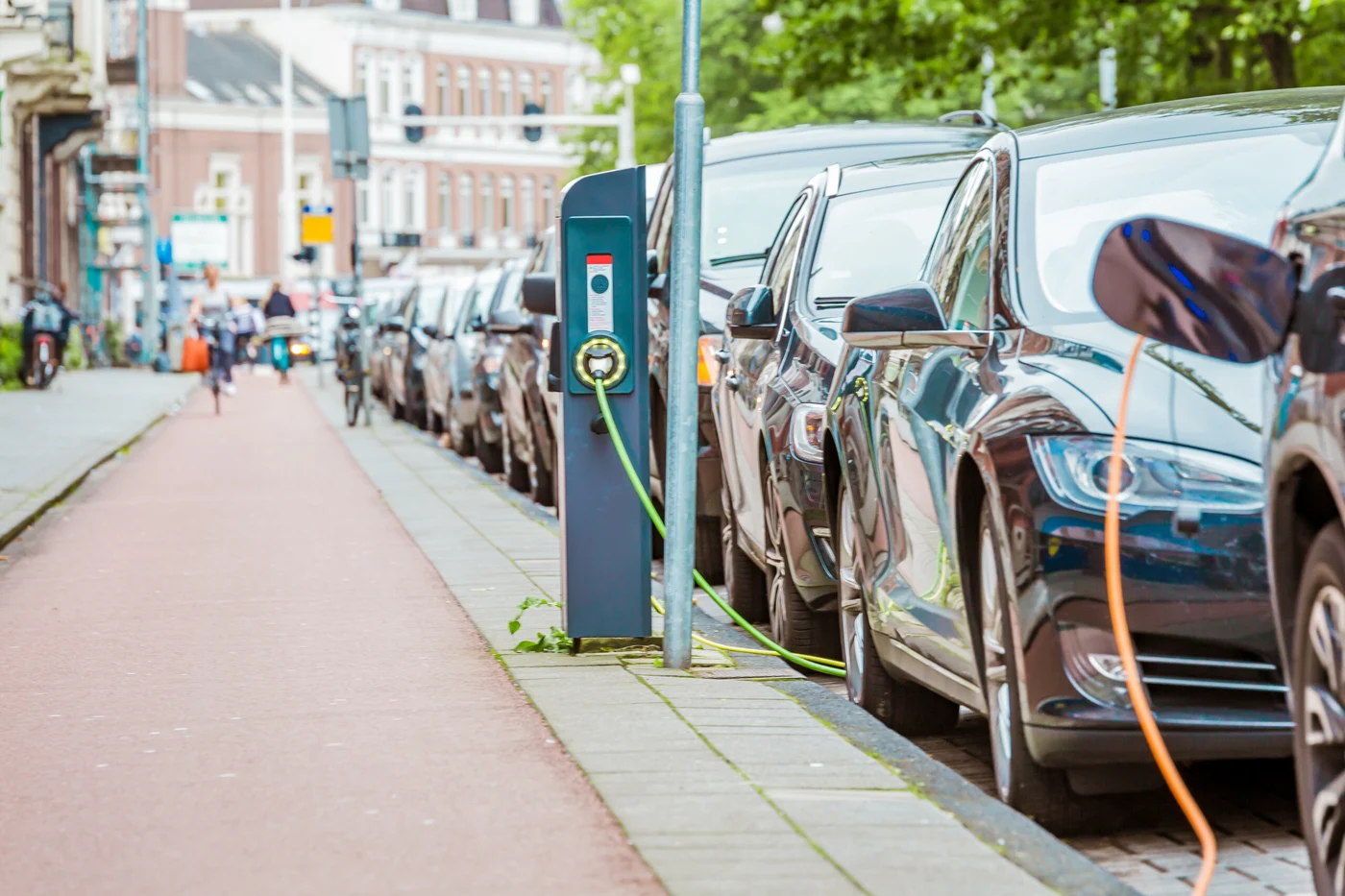
Major differences in charging tariffs
Recent research by Independer shows wide variations in public charging tariffs, reports RTL Nieuws. The study suggests that drivers charging their electric cars at public charging points would be wise to compare the price per kWh.
Data from more than 53,000 charging points in the Netherlands shows that price differences within a single municipality can range from a few cents to more than one euro per kWh. In one example from the research, charging a 75 kWh battery costs around 18 cents per kWh at the cheapest point, compared with €1.41 per kWh at the most expensive. The difference between the cheapest and most expensive charging points in the Netherlands therefore amounts to around €100 for a full battery.
A 75 kWh charging session costs an average of €35.35 in the Netherlands. There are clear differences between provinces: Zeeland has the highest average public charging costs, while Limburg is among the cheapest. Within provinces and municipalities, the cost of a full battery also varies by up to tens of euros.
Location and type of charging point make a difference
The type of location also matters. According to the study, charging points in underground car parks are around 17% more expensive on average than those on public roads. Charging points in conventional car parks are approximately 8.5% higher.
The map below shows the difference between the cheapest and most expensive charging points in each municipality.
(Source: CBS)
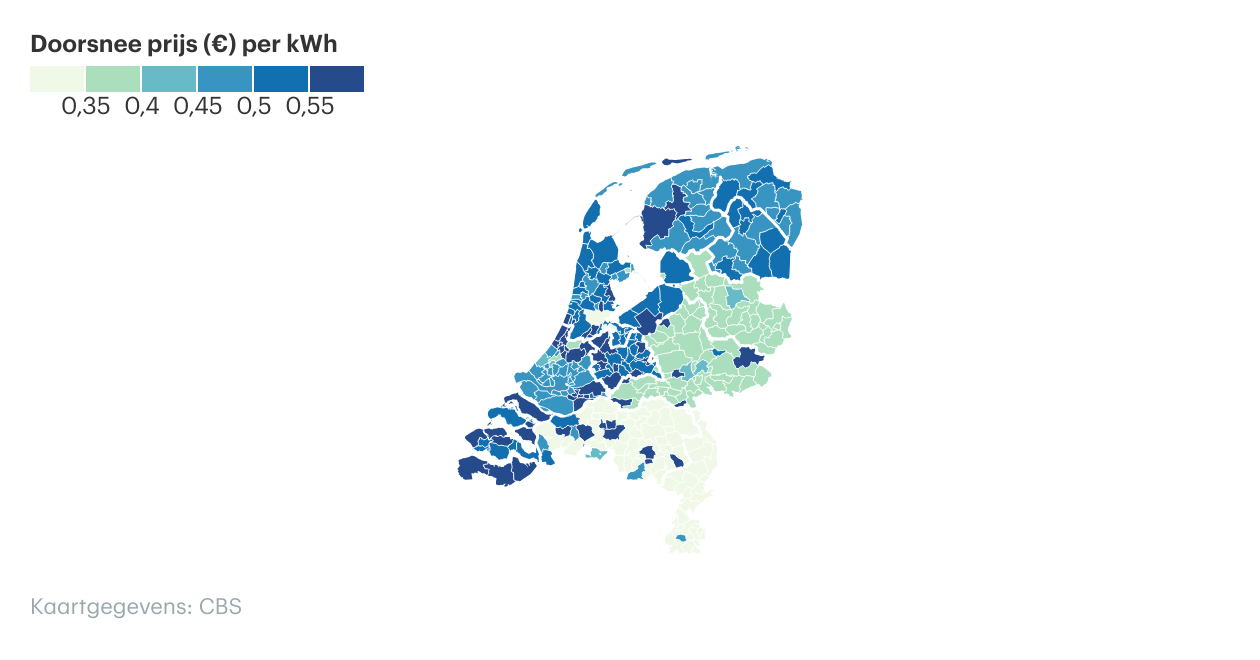
These findings show that electric charging prices depend not only on national tariff levels but also on the specific charging location within a municipality and province.
All articles