
AI in parking, mobility and traffic

AI is changing how mobility is studied and organised. Omega advises on the implications for your parking policy, development project and site accessibility.

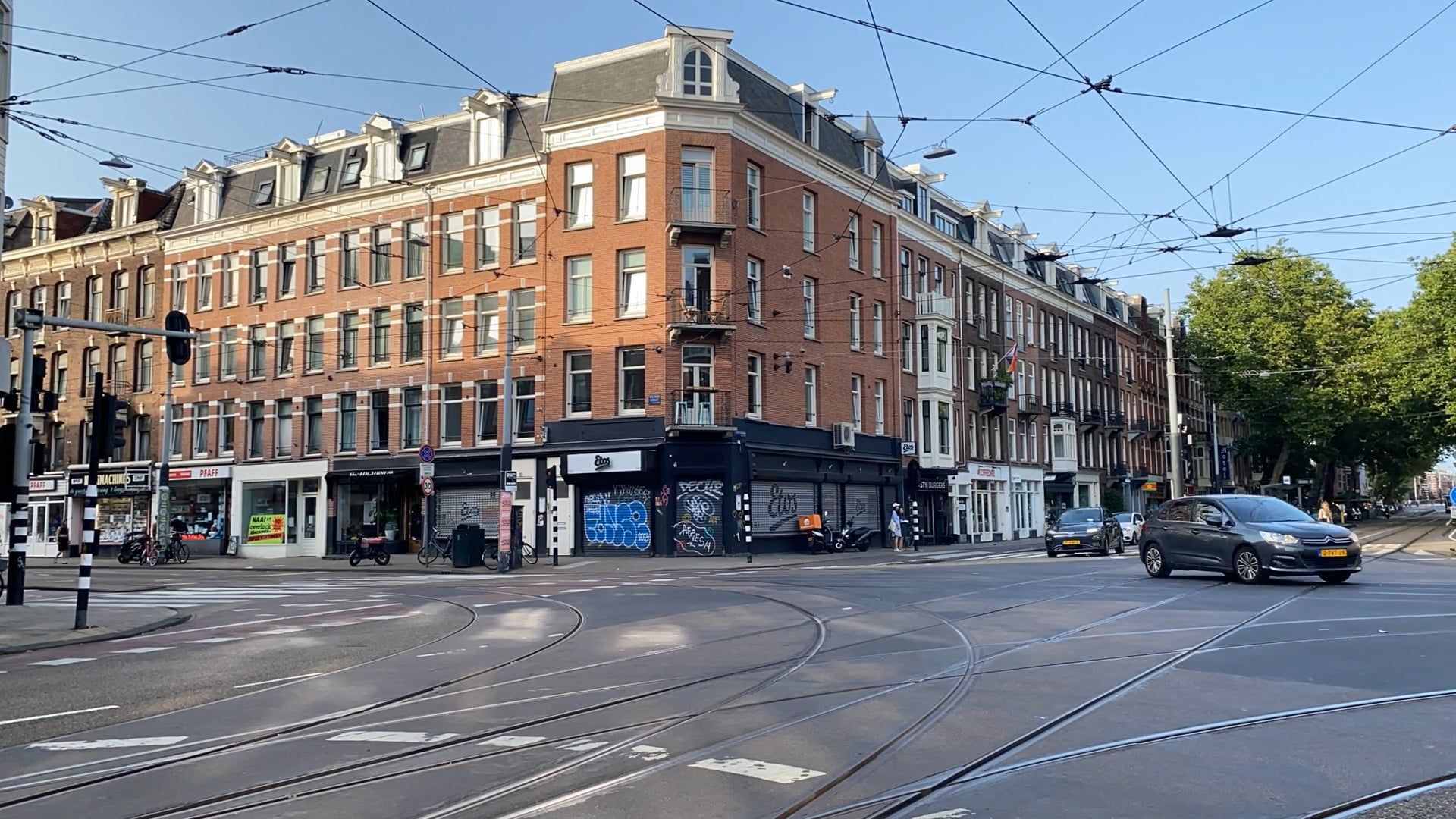
Street view of an intersection in Amsterdam

Technology and spatial decisions

Better occupancy forecasts can help make use of existing capacity. A new transport service may change parking demand while also generating additional traffic. Policy and investment decisions require an assessment of these combined effects. Omega connects AI developments with parking and transport studies, taking local conditions and forecast uncertainty into account.

Questions for your organisation

  • Developers: the implications of changing car ownership and transport services for parking investment, access to a development and adaptable facilities.
  • Municipalities: assessing new data sources and forecasts for parking policy, traffic management and evaluation of measures.
  • Businesses and institutions: understanding arrival peaks, parking occupancy and travel patterns to inform access to a hospital, campus or other site.

What is already happening

Three developments outside Omega show the progress of applications, trials and research. Their relevance to your situation requires a separate assessment.

Application · 2025

Boston: coordinating traffic signals

Boston uses AI recommendations for traffic signals. In June 2025, the city reported changes at 114 intersections. Traffic engineers implement the adjustments.

A comparable assessment should consider road safety, cyclists, pedestrians and public transport alongside traffic flow.

Pilot · 2026

Schiphol: a self-driving bus

Schiphol and KLM trialled a bus at Schiphol-Oost from January to July 2026. During the pilot, the safety operator moved to a control room, retaining the ability to intervene.

A site assessment needs to consider demand, route, stops and existing connections alongside technology and supervision.

Research · launched in 2025

TNO: AI in mobility design

TNO and partners are researching AI in digital twins to support design choices, car-restriction measures and traffic management. The programme began in 2025.

Design decisions require transparent assumptions and trade-offs between land use, accessibility and quality of life.

Autonomous driving: implications for parking and space

Autonomous driving is one application within AI and new mobility. Its spatial effects depend on whether vehicles remain privately owned, operate as shared taxis or supplement public transport. Parking may move elsewhere and empty journeys may increase. Less parking at a destination does not necessarily mean less traffic.

Omega examines these scenarios alongside pick-up and drop-off, waiting, charging and public transport connections. This informs decisions about capacity, access and investments that may need to adapt later.

Where Omega can advise

  • Data and evidence

    Assessing which data can support your decision: coverage, representativeness, observation period and uncertainty. Forecasting current use requires different evidence from estimating the effects of a new development.

  • Scenarios and investment

    Comparing the implications for capacity, land use, accessibility and costs. With explicit assumptions about use and adoption, and options for phased investment or adapting facilities.

  • Requirements and evaluation

    Translating the transport question into functional requirements, a baseline and assessment criteria for an application or trial. Specialist partners contribute to technical development where needed. Omega assesses what the findings mean for your policy or project.

Discuss your enquiry or project

The eight colleagues at Adviesbureau Omega

Send your enquiry

Tell us briefly what you need advice on. Omega will get in touch.

Name, email address and message are required.

Drag files here or click to choose them. PDF, Word, Excel, JPG or PNG, up to 3 MB in total.

Loading the form…